Resources, Guides and Courses to Help You Learn To Read Music
Rhythm is the element of music that deals with time. Learn what rhythm is, how it works, and why it's fundamental to every piece of music ever written.
Read more →Sheet music is the written language of music. This step-by-step guide teaches you everything you need to know to start reading music notation from scratch.
Read more →Intervals are the distance between two notes and are fundamental to understanding chords, scales, and melody. Here's everything you need to know.
Read more →Time signatures tell you how many beats are in each measure and what type of note gets one beat. Here's a clear guide to understanding them.
Read more →The major scale is the foundation of Western music. Learn its whole-step and half-step pattern and you'll understand the logic behind almost every song you've ever heard.
Read more →Major and minor chords are separated by just one note — yet they sound completely different. Here's the music theory behind why.
Read more →Ear training is the ability to recognise musical elements by sound alone. Here's how to develop it with practical, daily exercises.
Read more →Key signatures tell you which notes are sharp or flat in a piece of music. This guide covers all 30 major and minor keys with the circle of fifths.
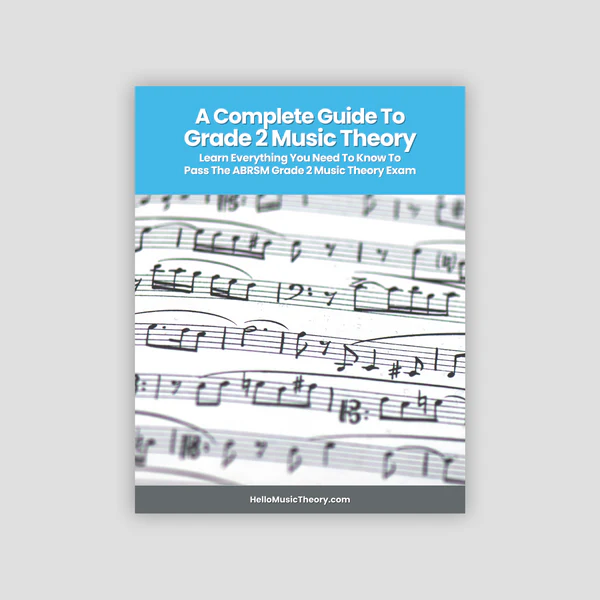
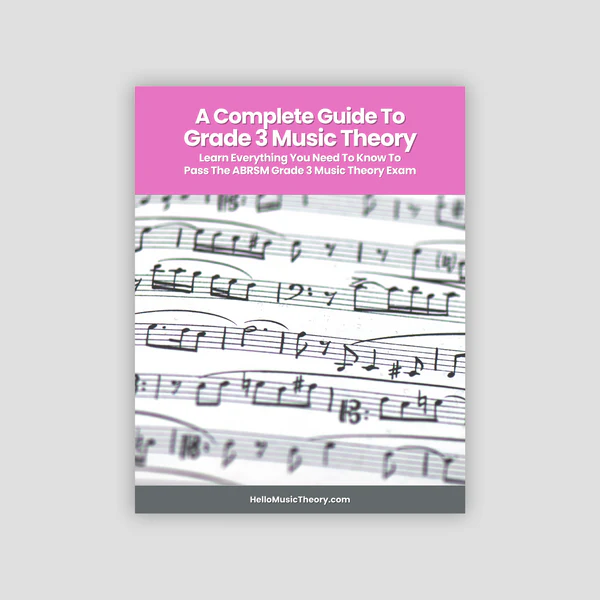
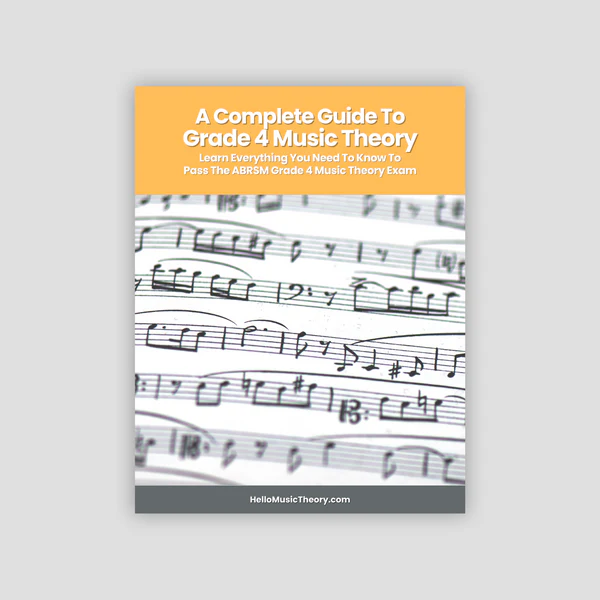
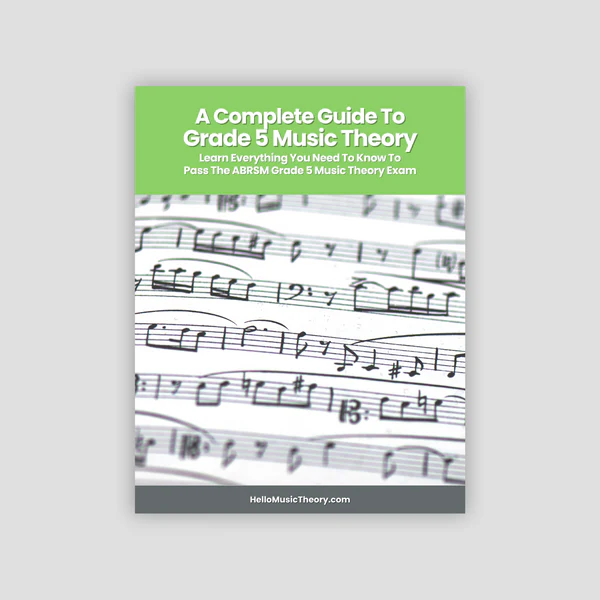
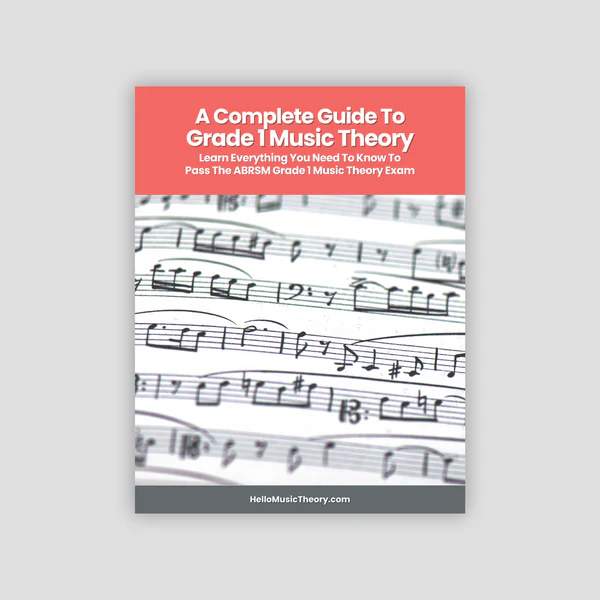
Read more →We've put together five simple and easy-to-use music theory study guides to help you learn how to read music on your own.
Written in plain, simple-to-understand English with hundreds of examples, our range of guides is guaranteed to help you finally understand music theory.
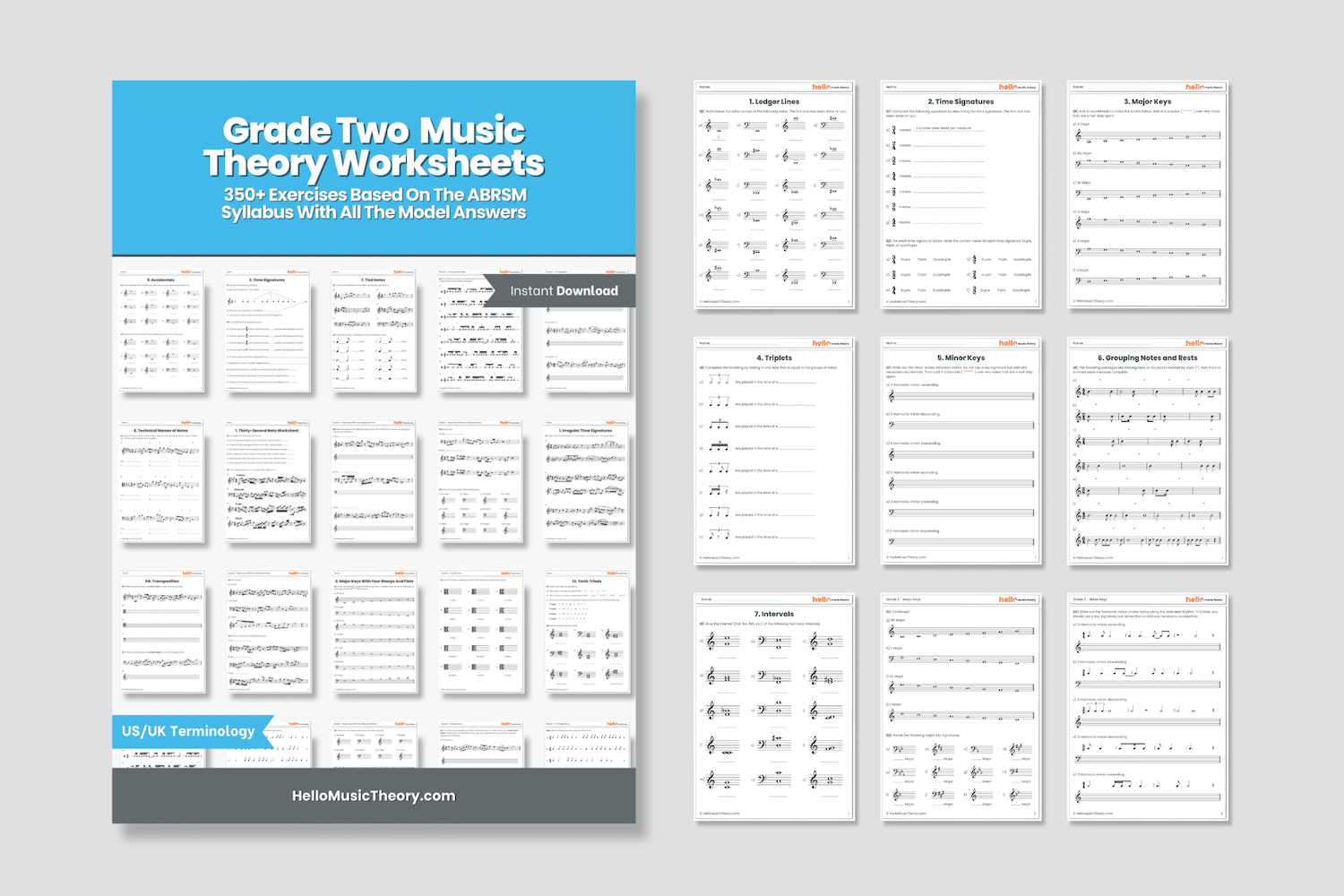
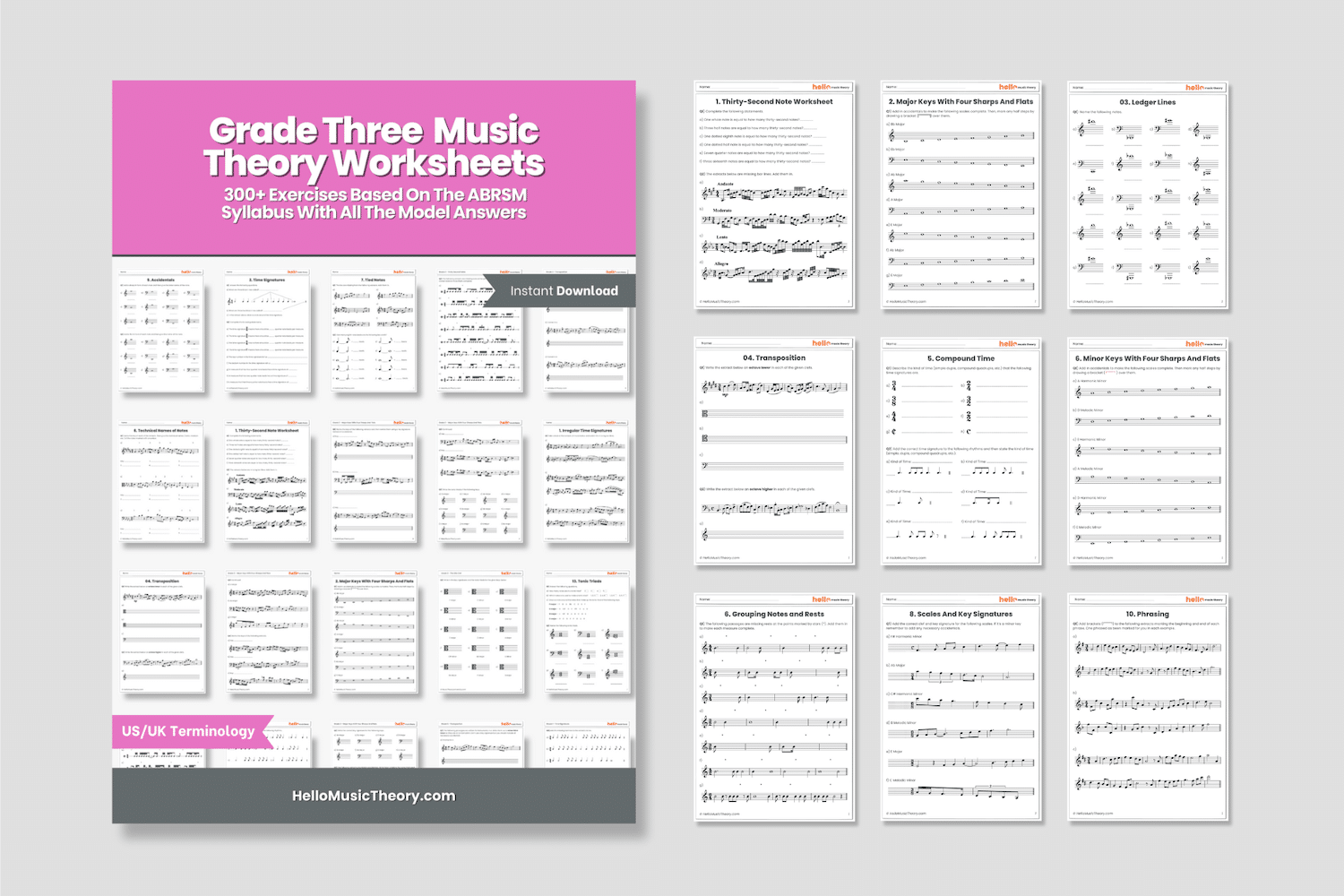
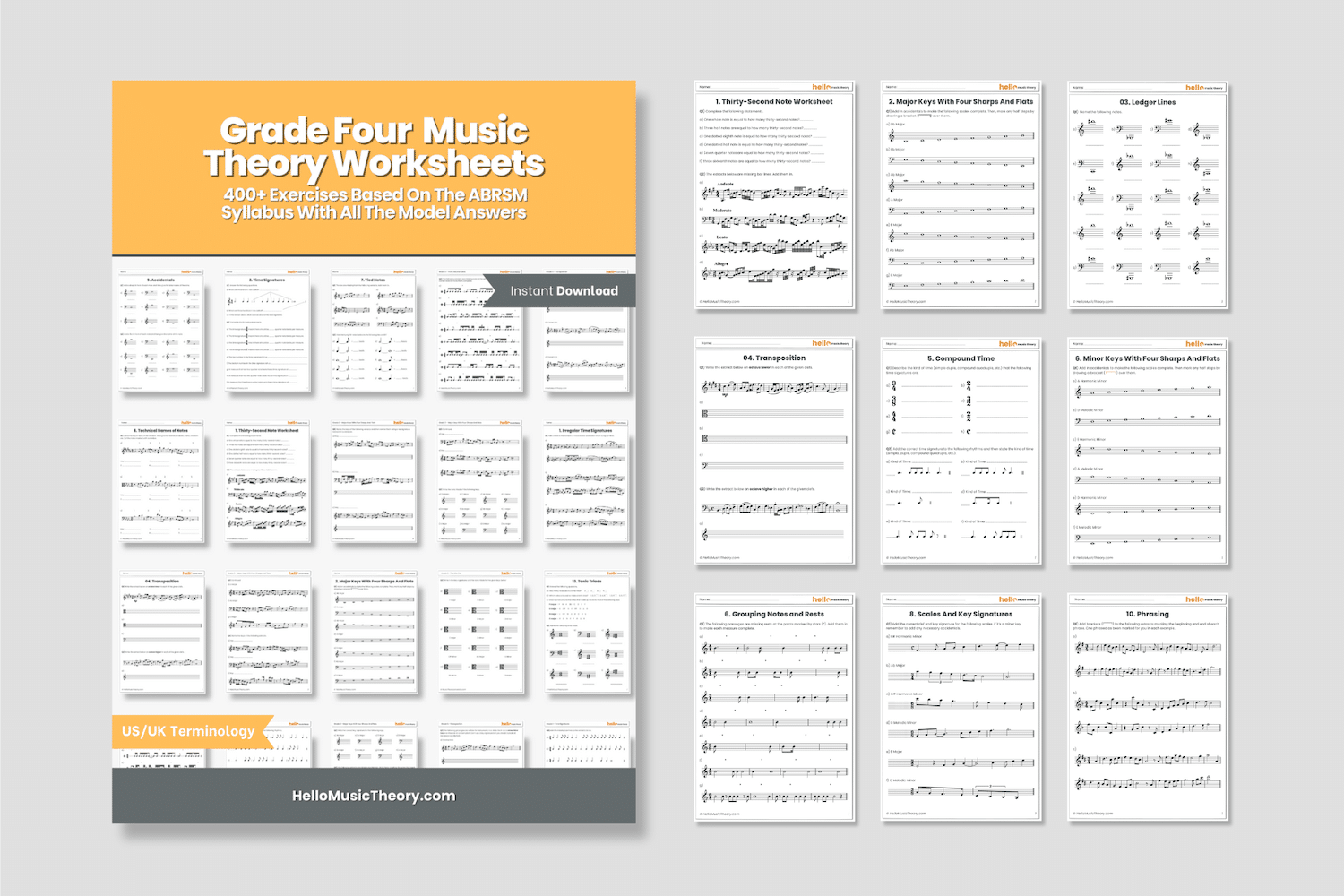
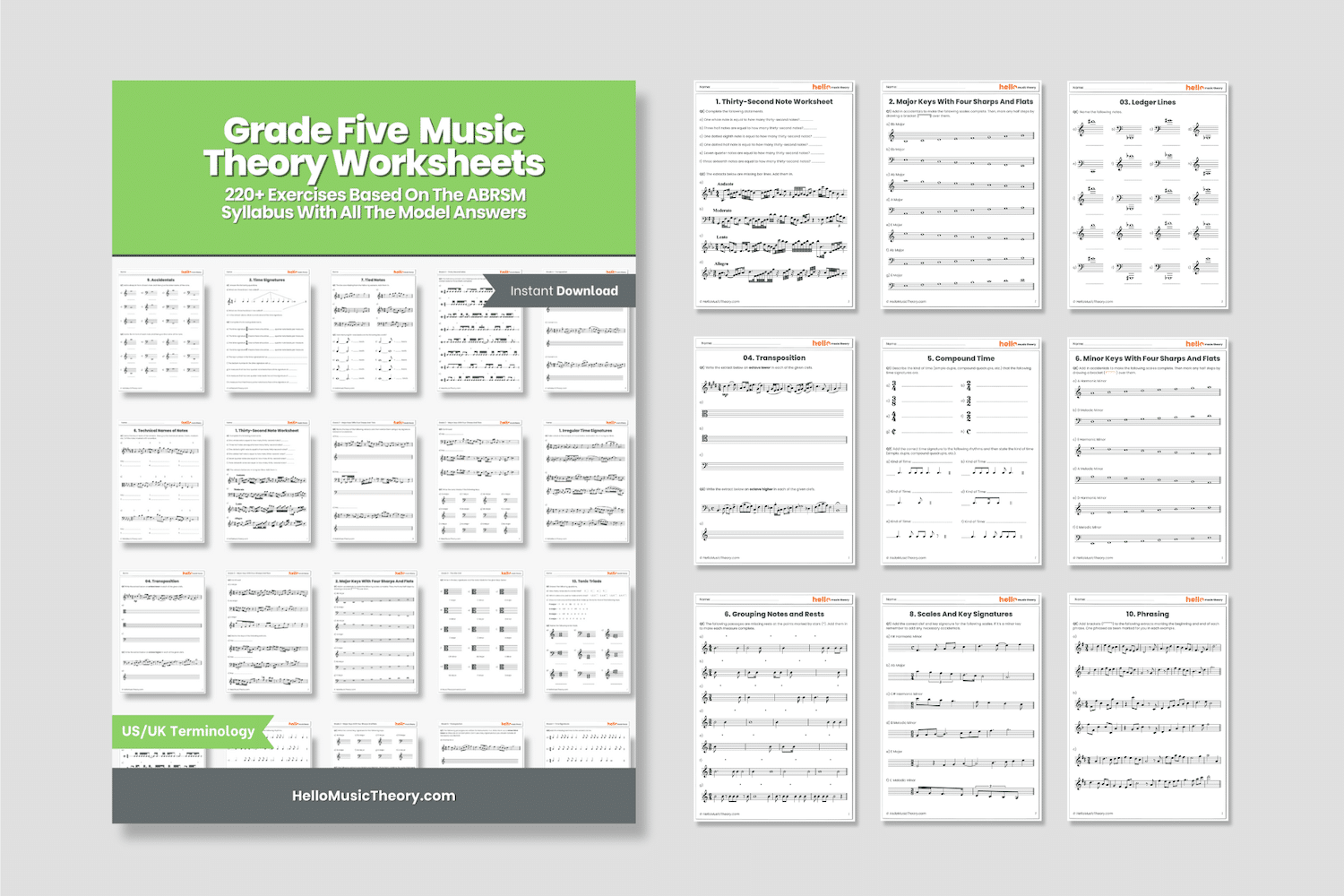
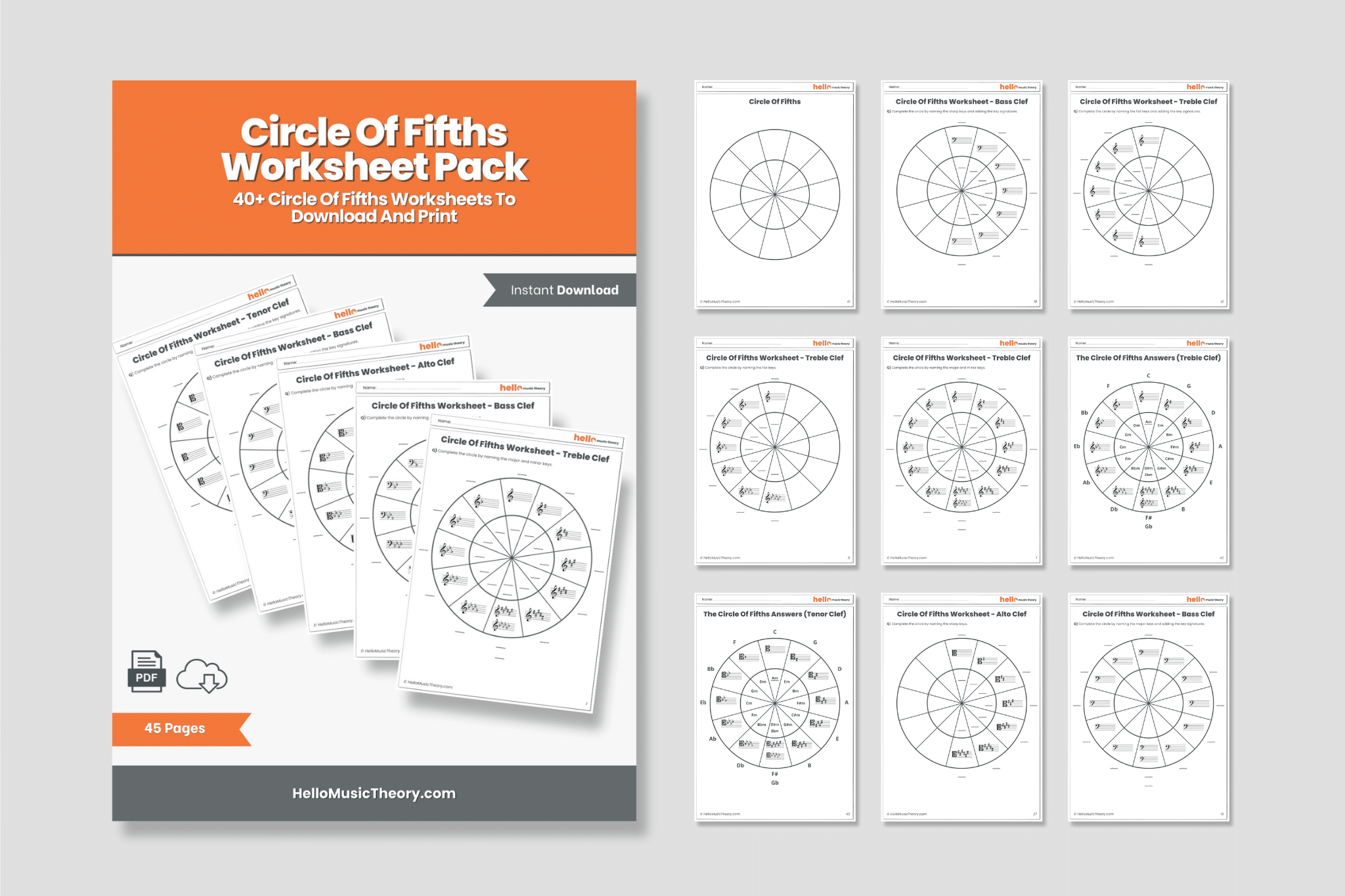
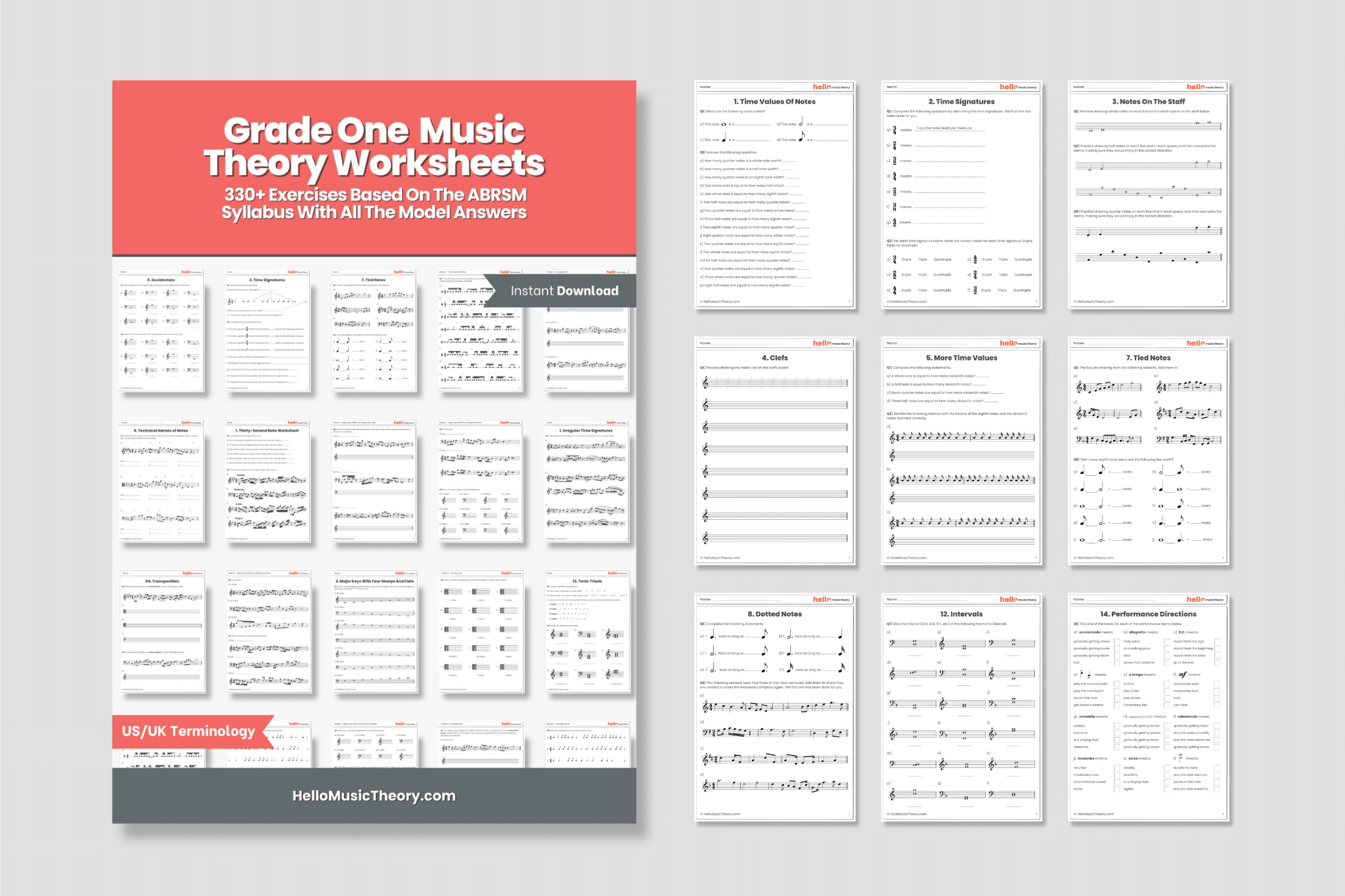
View All Books →Put into practice everything you're learning with our PDF music theory worksheets. We've put together over 180 pages of worksheets and more than 1800 exercises going in-depth into all the topics that you need to know about to pass your music theory exam.
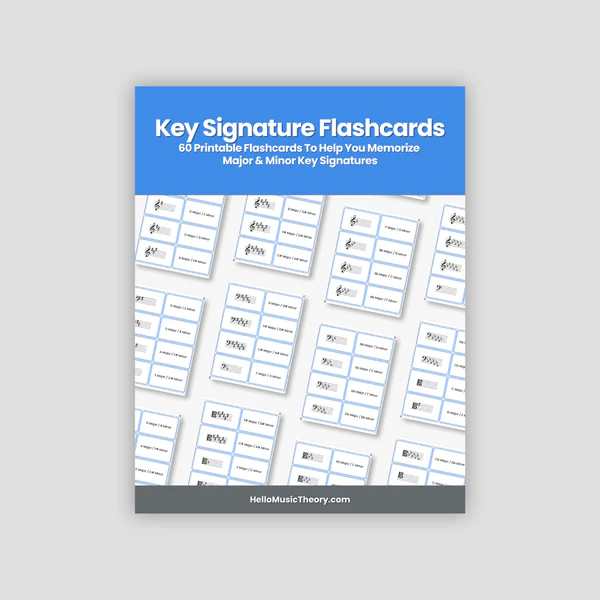
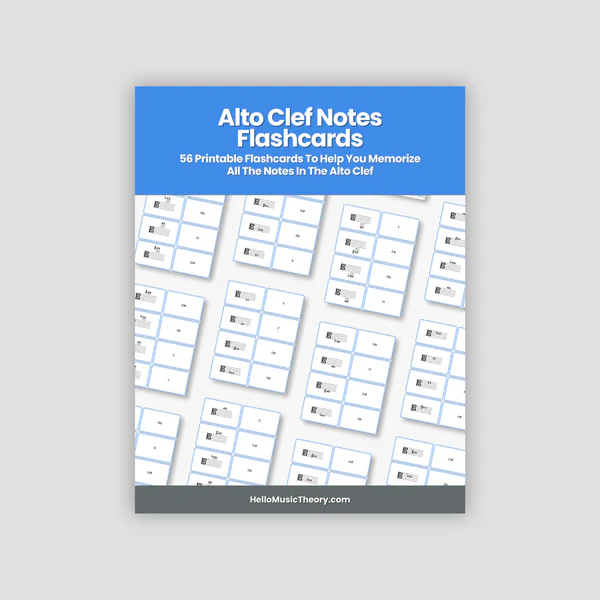
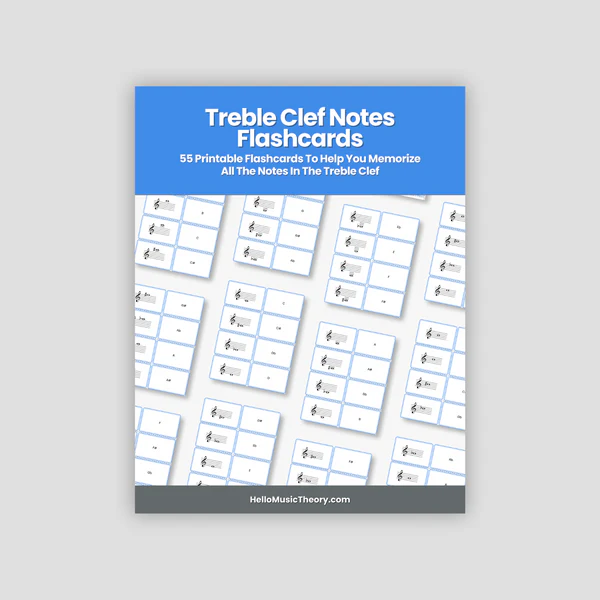
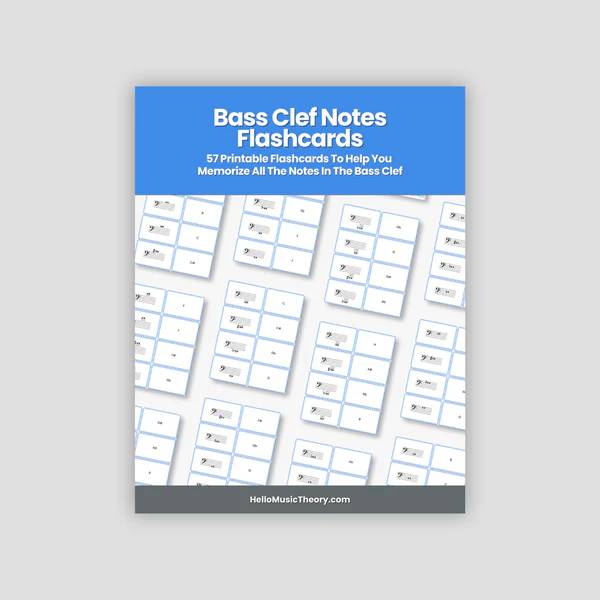
View All Worksheets →Memorise notes, key signatures, and clefs faster with our printable flashcard packs. Each set is designed to help you build instant recall — perfect for exam prep or daily practice.
View All Flashcards →
Hello Music Theory is run by a small team of passionate musicians obsessed with making music available to everyone.
Founded in 2014 by Dan Farrant, a graduate of the Royal Academy Of Music, Hello Music Theory now helps over 1,000,000 people every month in over 100 countries worldwide improve their music skills.
Rhythm is the element of music that deals with time. Learn what rhythm is, how it works, and why it's fundamental to every piece of music ever written.
Read more →Sheet music is the written language of music. This step-by-step guide teaches you everything you need to know to start reading music notation from scratch.
Read more →Intervals are the distance between two notes and are fundamental to understanding chords, scales, and melody. Here's everything you need to know.
Read more →Time signatures tell you how many beats are in each measure and what type of note gets one beat. Here's a clear guide to understanding them.
Read more →The major scale is the foundation of Western music. Learn its whole-step and half-step pattern and you'll understand the logic behind almost every song you've ever heard.
Read more →Major and minor chords are separated by just one note — yet they sound completely different. Here's the music theory behind why.
Read more →Ear training is the ability to recognise musical elements by sound alone. Here's how to develop it with practical, daily exercises.
Read more →Key signatures tell you which notes are sharp or flat in a piece of music. This guide covers all 30 major and minor keys with the circle of fifths.
Read more →Think you know your key signatures from your time signatures? Our free quizzes cover everything from beginner note reading to advanced harmony — with instant results so you can see exactly where you need to improve.
Browse All QuizzesJoin 40,000+ musicians and get free PDF worksheets, cheat sheets, and practice materials delivered straight to your inbox.

No spam · Unsubscribe anytime